
Classification
Learn about our vision, mission, and leadership team driving wheelchair basketball in Egypt
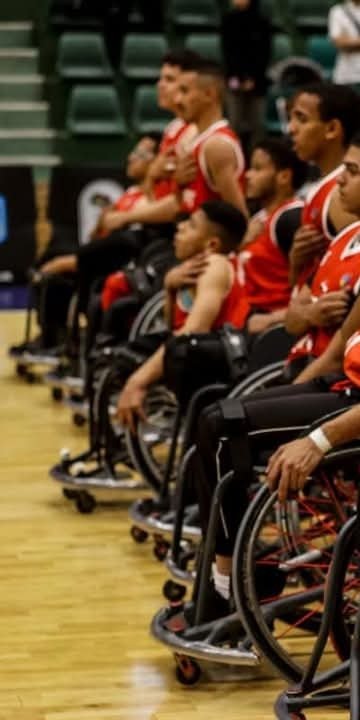
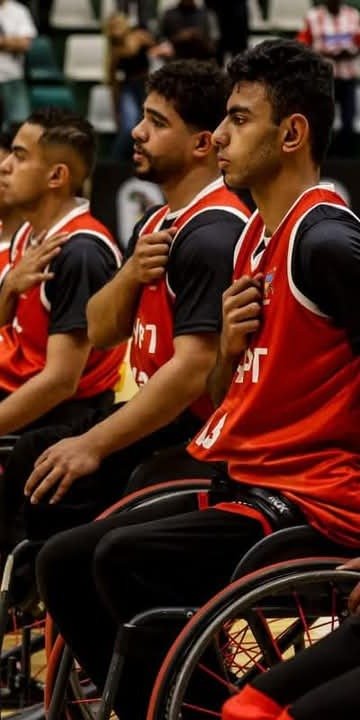

Launch of the Egyptian Classifiers Committee under the auspices of the Egyptian Wheelchair Basketball Federation
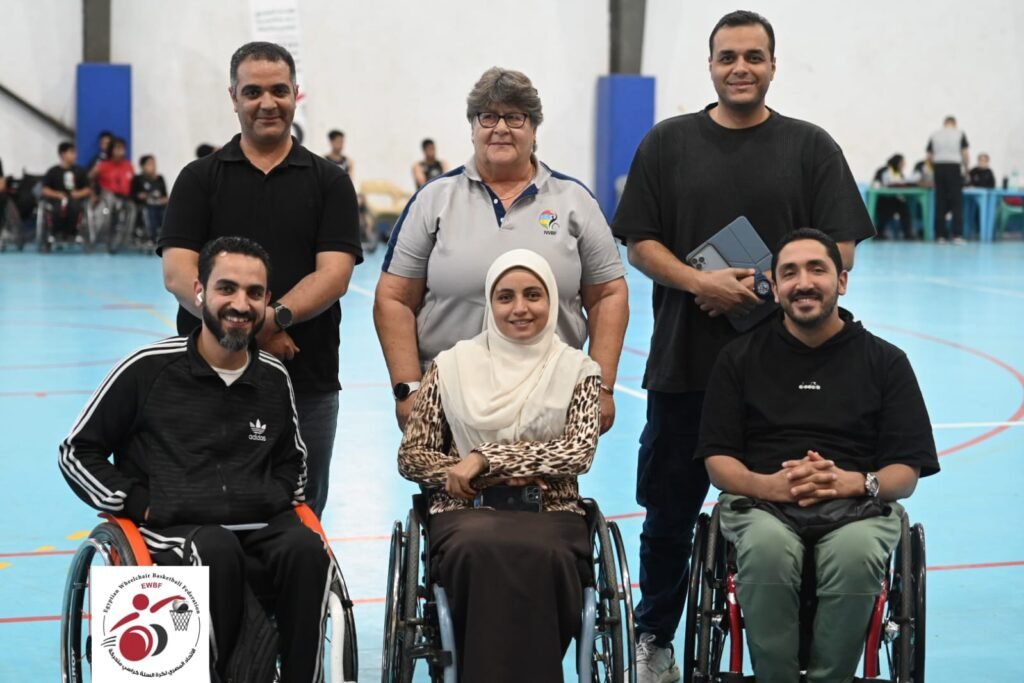
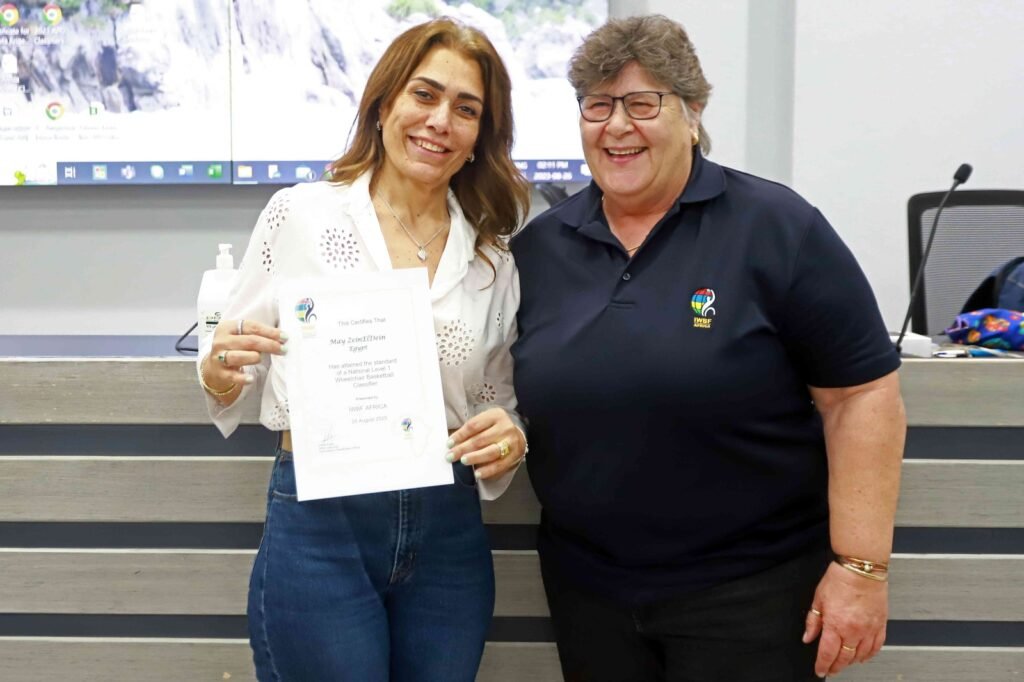
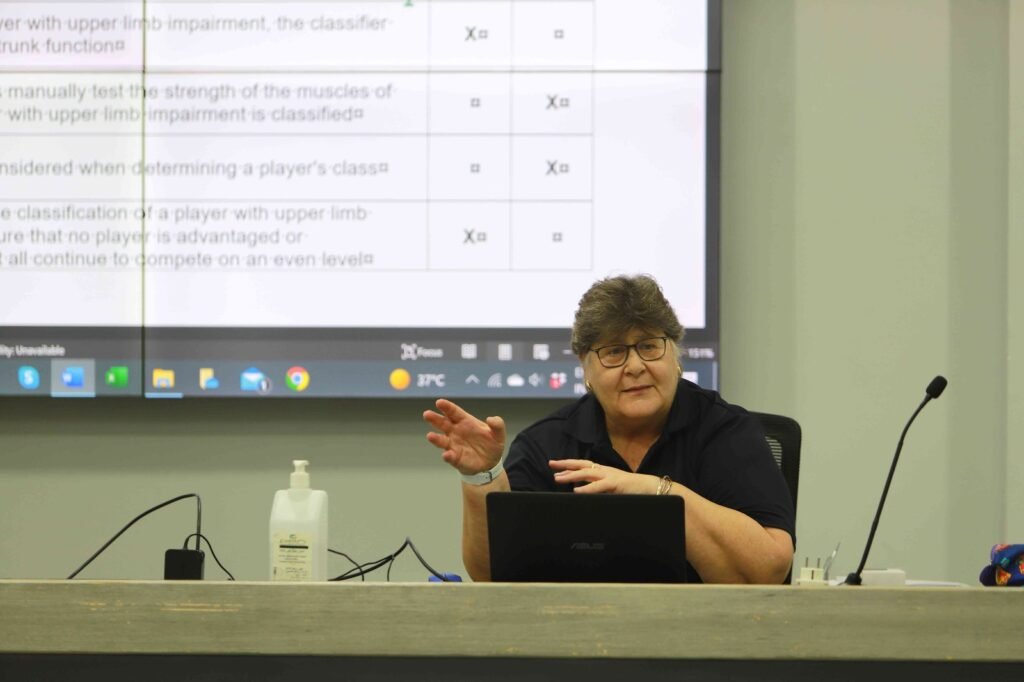
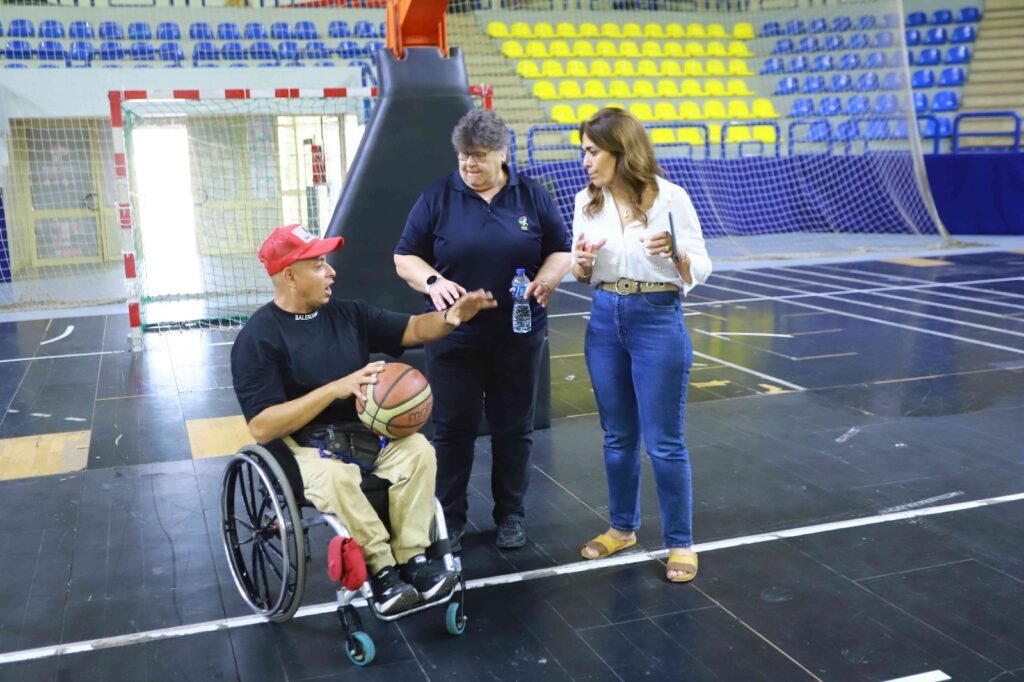
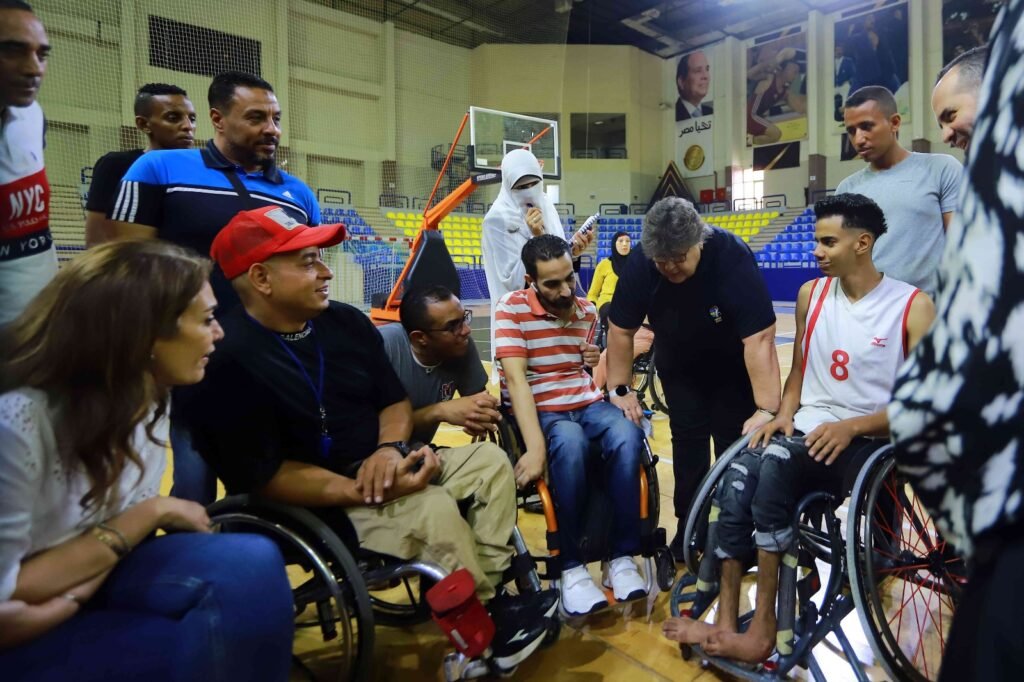
In a pioneering step towards developing the sports classification system locally, and following the conclusion of the second training course for local classifiers led by the only international classifier in Africa, Lolita Craig, the Egyptian Wheelchair Basketball Federation announces the formation of the Egyptian Classifiers Committee, which includes a distinguished group of experts and specialists in the medical and sports fields.

Eng. Alaa El-Nady
Board Member of the Egyptian Wheelchair Basketball Federation

Dr. Haged Hany
Consultant in Sports Medicine

Dr. Amr El-Sayed
Physiotherapy Specialist and International Classifier for Power Sports

Mohamed Raafat
Wheelchair Table Tennis Player

Walid Galal
Wheelchair Basketball Player, Minya Club

Dr. Hend Eid
Lecturer, Faculty of Education and Mental Health, Helwan University
Classification in Wheelchair Basketball
Classification is the cornerstone of wheelchair basketball, ensuring fair and competitive play for players with disabilities worldwide. At IWBF, our classification system categorizes players based on their functional abilities, promoting inclusivity and maintaining the integrity of the sport. Discover the principles and procedures behind our classification system and its pivotal role in wheelchair basketball.
The Fundamental of Classification in Para Sports
Classification is the cornerstone of the Paralympic Movement. It is a unique and essential feature of Para sport that provides the fundamental structure for credible, competitive, fair, and meaningful high-performance competition for Athletes with a disability all over the world.
Classification across the entire Paralympic Movement is governed by a central, overarching document called the IPC Athlete Classification Code. It is underpinned by five International Standards that each deal with specific elements that are integral to Classification.
The Code and International Standards have been developed by the IPC and its stakeholders for over 20 years. It is officially approved by the IPC Membership, comprising over 200 members categorised as National Paralympic Committees, International Federations, Regional Organisations, and International Organisations of Sport for the Disabled, at the IPC General Assembly.
The Code provides a clear, authoritative statement regarding the purpose of Classification and presents a framework of policies and procedures designed to ensure that Classification is delivered to the highest possible standard.
Basics of Classification in Wheelchair Basketball
To play wheelchair basketball at an international level (i.e. for your country at an IWBF competition) you must meet BOTH of the following criteria:
Have one of the following Eligible Impairments:
Impaired Muscle Power, Impaired Passive Range of Movement, Limb Deficiency, Leg Length Difference, Hypertonia, Ataxia or Athetosis
PLAYER EVALUATION PROCESS
A Player must go through the Player Evaluation process to confirm they have an Eligible Impairment and that they meet the sports’ MIC before they are able to be assessed to have a sports class allocated.
The new Player Evaluation process is part of the new Classification Rules that came into effect on 1 October 2021 which also included the new Minimum Impairment Criteria.
Any player who are not listed on the Classification Master List (including those who were previously internationally classified prior to the new rules coming into affect in 1 October 2021) will be required to go through Player Evaluation Process.
Sports Class Allocation
Sport Class is based on the players’ functional capacity to complete the skills necessary to play – pushing, pivoting, shooting, rebounding, dribbling, passing and catching. It is not an assessment of a player’s level of skill, merely their functional capacity to complete the task. In particular, the trunk movement and stability observed during these actual basketball situations form the basis for the assignment of a player to a particular class.
Classes
Players are assigned points as their classification – 1, 2, 3, and 4 are the recognized classes, with 0.5 classes between for the exceptional cases which do not fit exactly into one class, and the 4.5 category for the player with the least disability.
Volume of action
Classes are defined according to players’ “volume of action”. Each class has a clearly defined maximal volume of action, which the player may exhibit. The volume of action refers to the extremes to which a player’s trunk stability will allow them to reach, without holding on to the wheelchair, before overbalancing.
Class Characteristics
Each class has characteristics unique to that class, which are used by the classifier. These characteristics are evident in each of the basketball skills observed as part of the classification process.
Team Balance
The total number of points allowed on court at any time is 14.0. That is, the total points of all five players actually playing. If a coach allows the team to have over 14.0 points, they will incur a technical foul on the bench.